The Role of Team Dynamics in Strategy Gaming Leagues
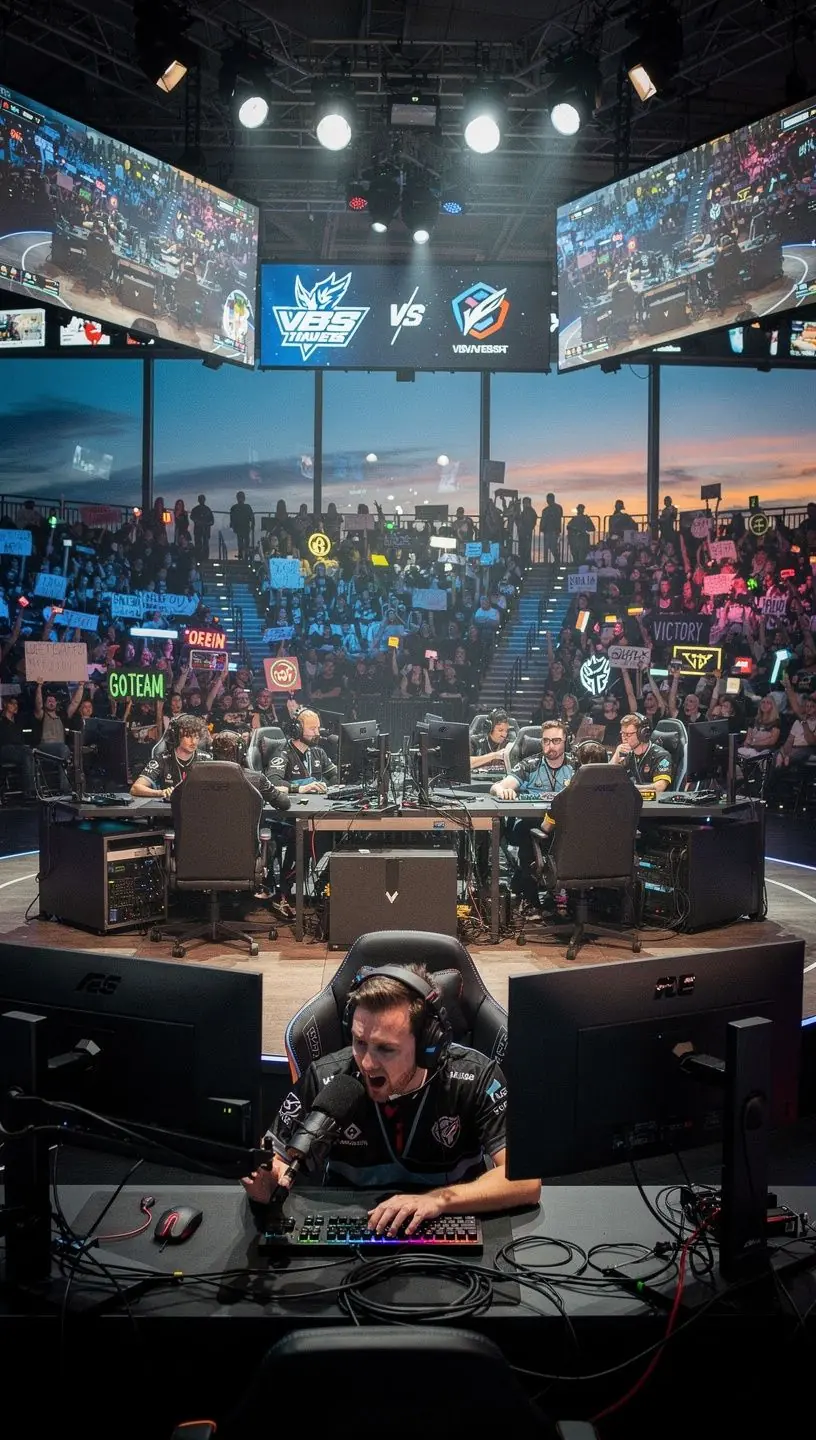
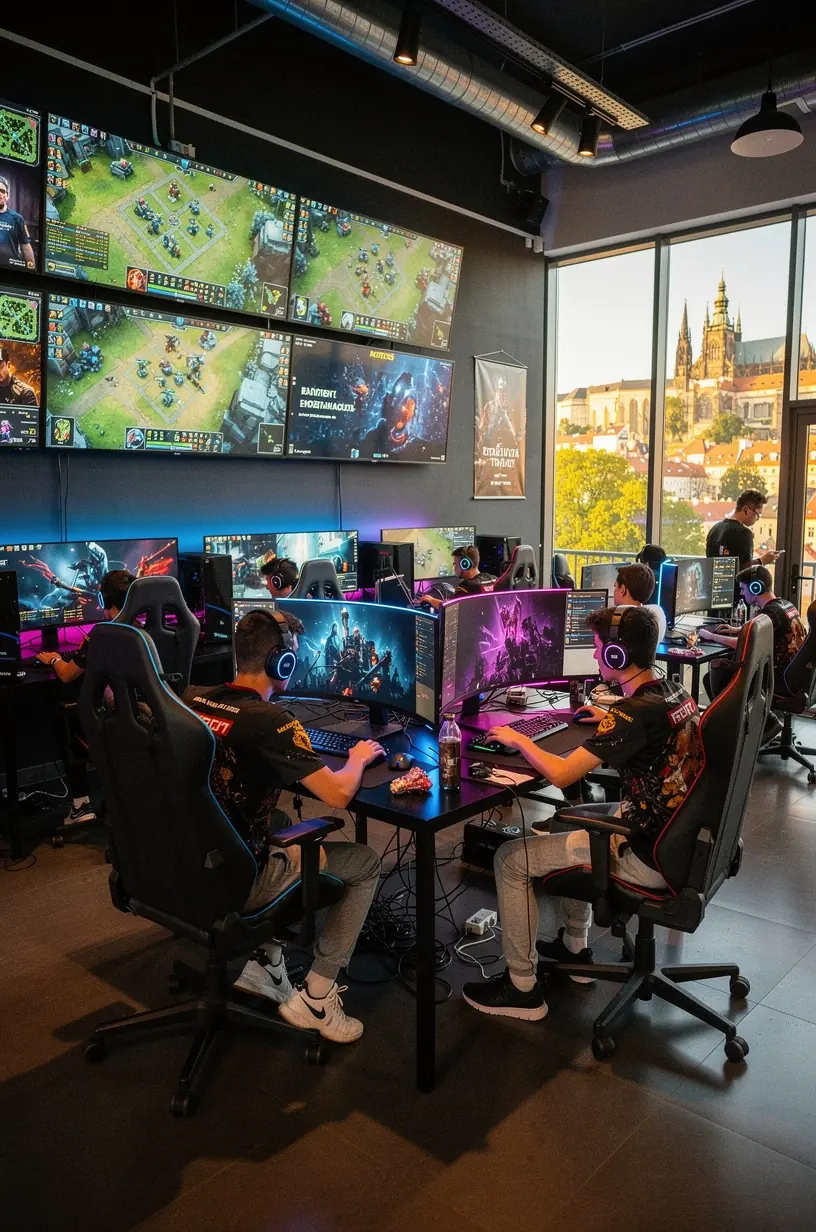
In the world of strategy gaming, the success of a team often hinges on its internal dynamics. Understanding these dynamics is crucial for players and teams participating in leagues and competitions, particularly in the Czech Republic, where gaming culture is rapidly evolving.
Understanding Team Dynamics
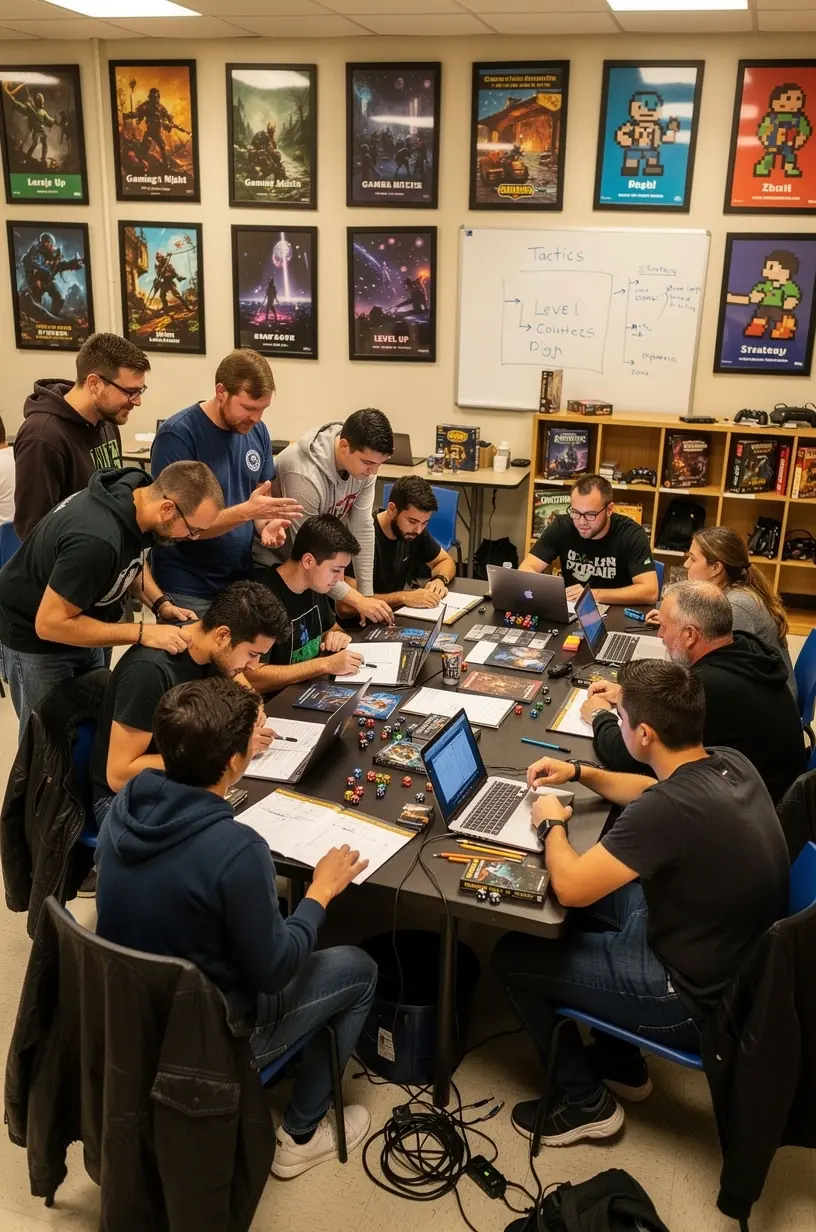
Team dynamics refer to the behavioral relationships between members of a group. According to studies in organizational psychology, effective team dynamics can significantly impact performance and satisfaction within a team, with many teams reporting increased synergy and motivation when they operate cohesively.
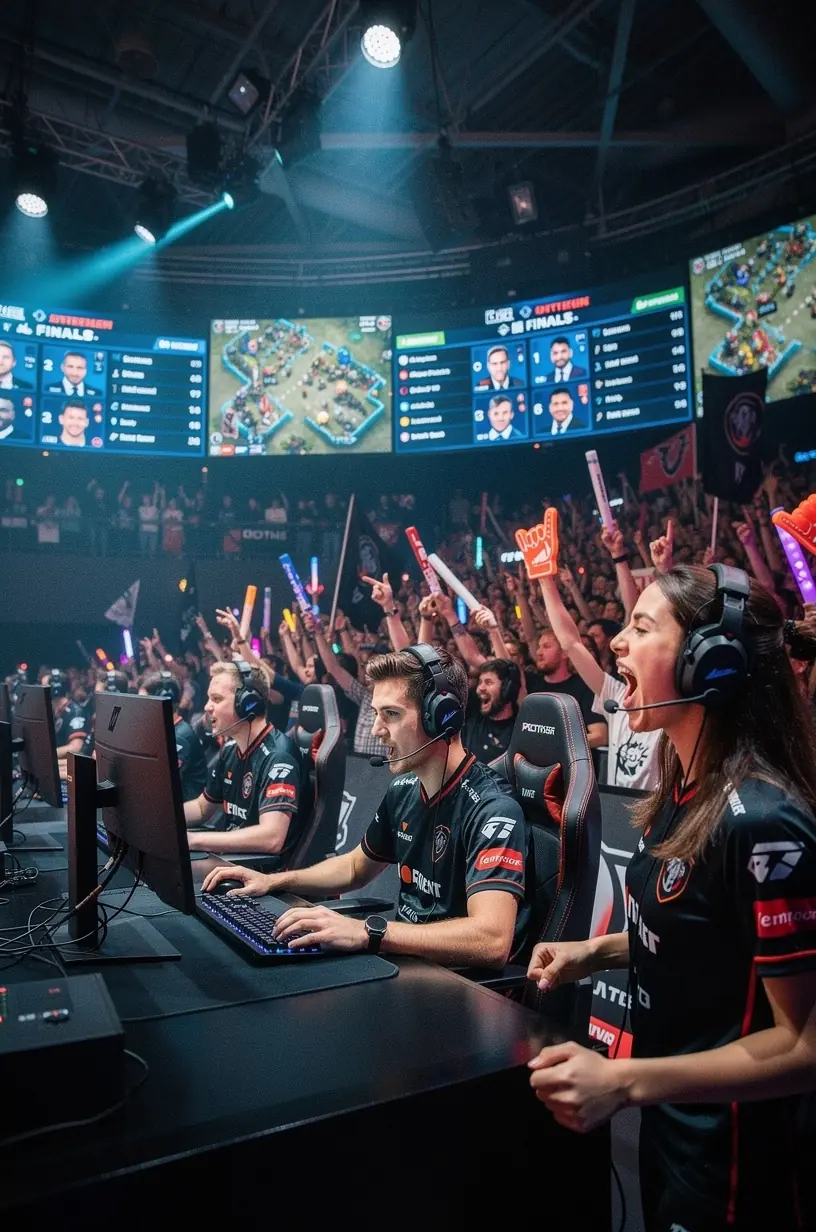
"Effective team dynamics can enhance performance by fostering collaboration and communication among members."
Key Factors Influencing Team Dynamics
Several factors influence team dynamics in strategy gaming leagues:
- Communication: Clear and open communication is vital. Research indicates that teams with high communication levels often outperform those with poor communication.
- Role Clarity: Understanding individual roles within the team can lead to greater efficiency. In many cases, teams with defined roles report higher levels of satisfaction and lower turnover rates.
- Conflict Resolution: Effective management of conflicts plays a crucial role in team success. Experts recommend that teams develop strategies to address disagreements constructively, which can strengthen relationships in the long run.
The Impact of Team Dynamics on Performance
Team dynamics can greatly influence a team's performance in strategy gaming. Research suggests that teams with positive dynamics often experience:
- Increased Engagement: Teams that communicate well are typically more engaged in their gameplay, leading to better strategic decisions.
- Enhanced Problem-Solving: A cohesive team can brainstorm effectively, providing diverse perspectives that can lead to innovative strategies in competitions.
- Improved Morale: Positive interactions can foster a sense of belonging, which is crucial for sustaining motivation over time.
Challenges and Limitations
While fostering good team dynamics can lead to significant benefits, there are also challenges. For instance, managing group conflicts is often time-consuming and requires a level of emotional intelligence that not all players may possess. Additionally, building strong dynamics typically takes time and consistent effort, with many teams needing several weeks of practice to fully realize their potential.
Strategies to Improve Team Dynamics
Here are some practical strategies that teams can employ to enhance their dynamics:
- Regular Check-Ins: Establish a routine for team members to discuss their thoughts and feelings about team dynamics and performance.
- Team-Building Activities: Engage in activities outside of gaming that encourage collaboration and trust, which can translate into better team performance.
- Feedback Mechanisms: Create opportunities for team members to give and receive constructive feedback, which can help address grievances before they escalate.
Conclusion
In conclusion, the dynamics within a team play a crucial role in their success in strategy gaming leagues. By understanding and actively working on these dynamics, teams can enhance their performance and create a more enjoyable experience for all members. While the journey to improve team dynamics may be challenging and require dedication, the potential rewards—both in performance and team satisfaction—make it a worthwhile endeavor for any competitive team.