Strategies for Building a Successful Gaming Community
Creating a thriving gaming community involves more than just gathering players; it requires a strategic approach that fosters engagement, competition, and collaboration. This article outlines effective strategies to cultivate a successful gaming community, particularly within the context of strategy gaming centers that host leagues and competitions.
Understanding the Foundations
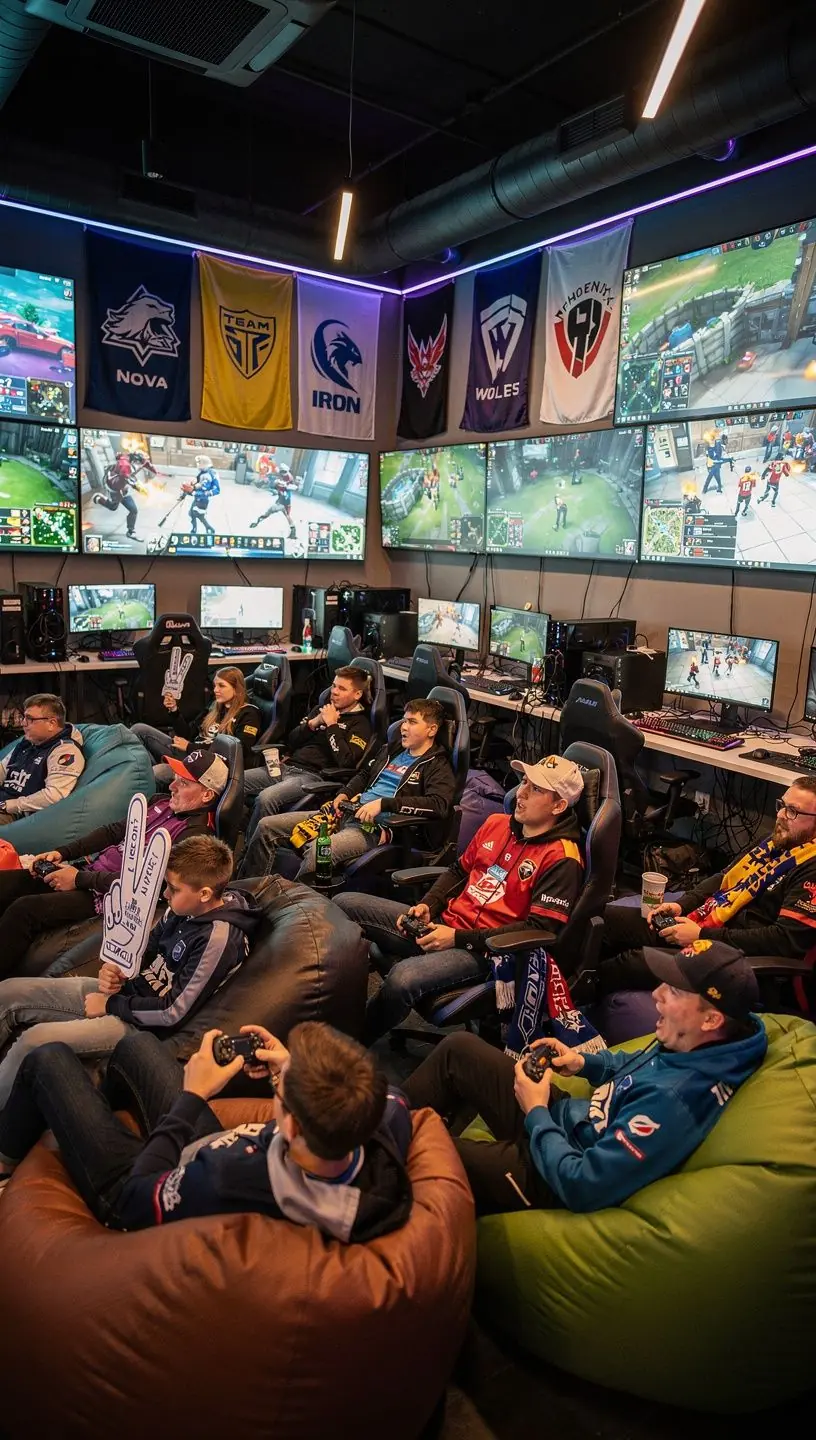
Building a community starts with understanding what players value. Research indicates that a sense of belonging and connection often enhances a player’s gaming experience. According to experts in community management, fostering a welcoming environment can lead to increased participation and loyalty among members. This typically involves the following aspects:
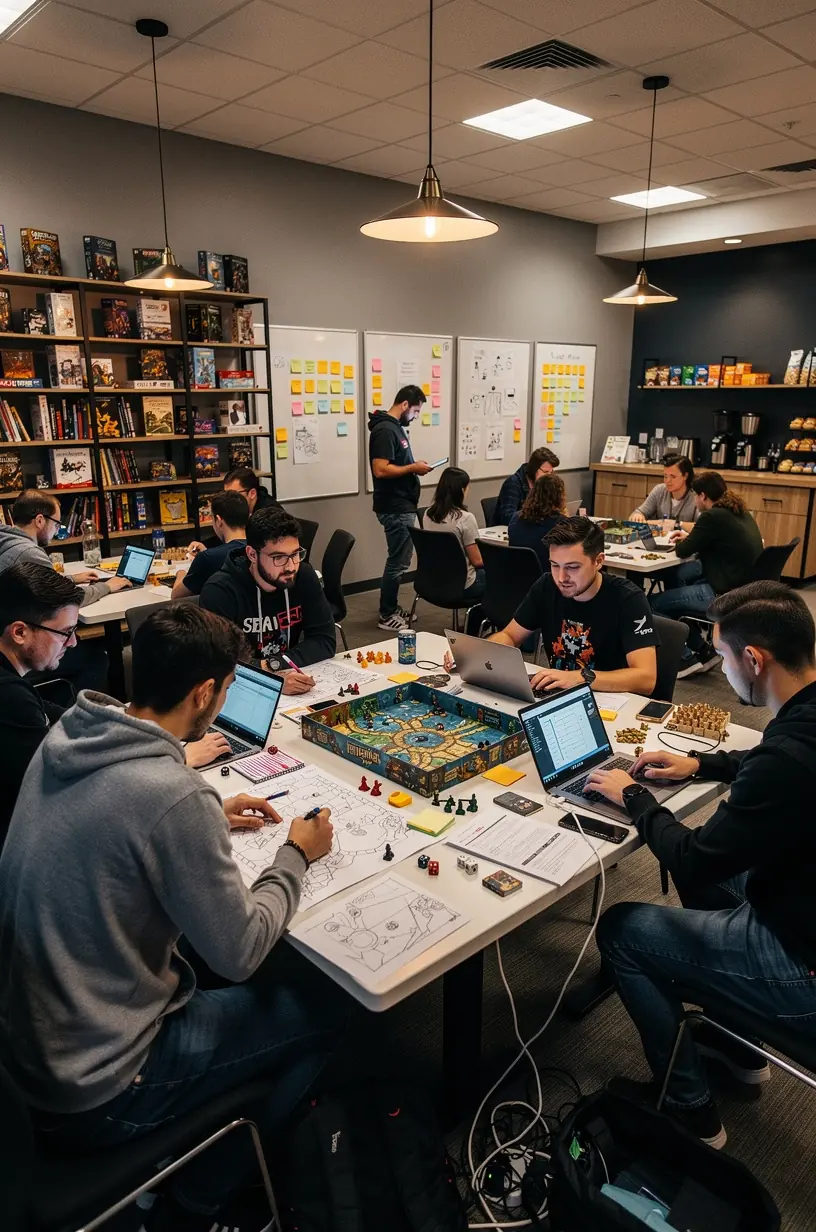
- Inclusive Culture: Ensure that all players feel welcome, regardless of skill level. This inclusivity can encourage newer players to engage without fear of intimidation.
- Clear Communication: Establish open channels for feedback and communication, allowing community members to express their thoughts and suggestions.
- Regular Engagement: Host casual meetups or online events to keep the community active and encourage interactions among members.
"A successful community thrives on the relationships built between its members and the sense of belonging they feel within it."
Creating Competitive Opportunities
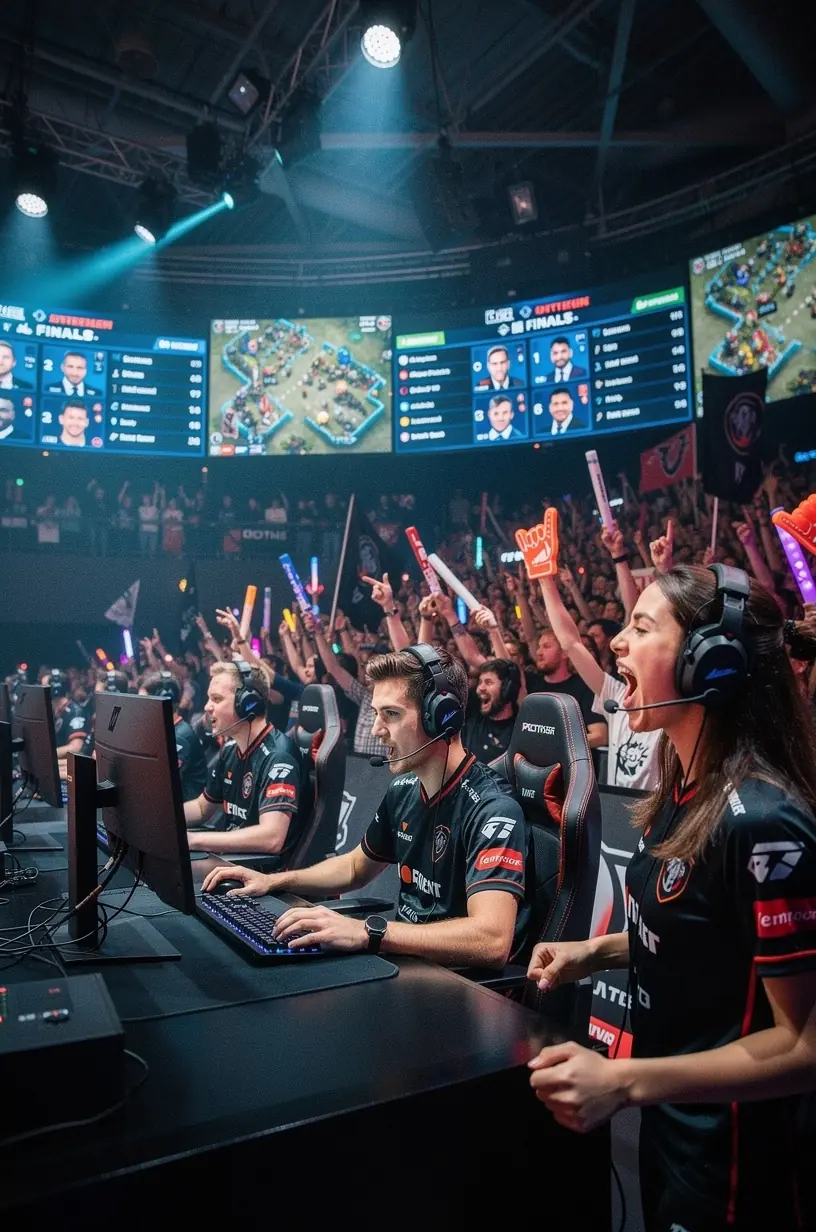
Competitions are vital for engagement, as they provide players with goals to strive for. Hosting regular tournaments or leagues can stimulate interest and participation, but it’s essential to structure these events thoughtfully:
- Set Realistic Goals: Organize competitions that are challenging yet achievable. Experts suggest that setting achievable goals can motivate players to improve their skills over time.
- Provide Incentives: Consider offering prizes or recognition for participants. Research shows that incentives can significantly enhance participation and excitement.
- Encourage Team Play: Many users report that team-oriented competitions foster camaraderie and collaboration, which can lead to a more vibrant community.
Utilizing Technology
In today's digital age, leveraging technology is crucial for community building. Platforms such as Discord or dedicated forums can serve as central hubs for communication and strategy-sharing. According to industry standards, maintaining an online presence can enhance community interaction:
- Social Media Engagement: Regularly update your community on events and share highlights from competitions. Many successful communities use social media to showcase member achievements, which can help attract new players.
- Streaming Competitions: Live streaming events on platforms like Twitch can significantly boost visibility and attract a wider audience. Experts recommend promoting these streams across various channels to maximize reach.
- Feedback Mechanisms: Utilize tools such as surveys to gather input on community activities and prospects. Actively seeking feedback shows members that their opinions matter, fostering loyalty.
Conclusion
Building a successful gaming community requires a combination of strategic planning, engagement, and adaptability. While this process typically takes time and effort, sustained commitment to inclusivity, competition, and communication can yield a vibrant and active community. As you implement these strategies, remember that the focus should always be on educational value and community-driven growth, rather than solely on promotion. By nurturing these elements, your gaming community can thrive in the competitive landscape of strategy gaming.
Learn More