Exploring the Impact of Rankings on Player Engagement in Strategy Gaming
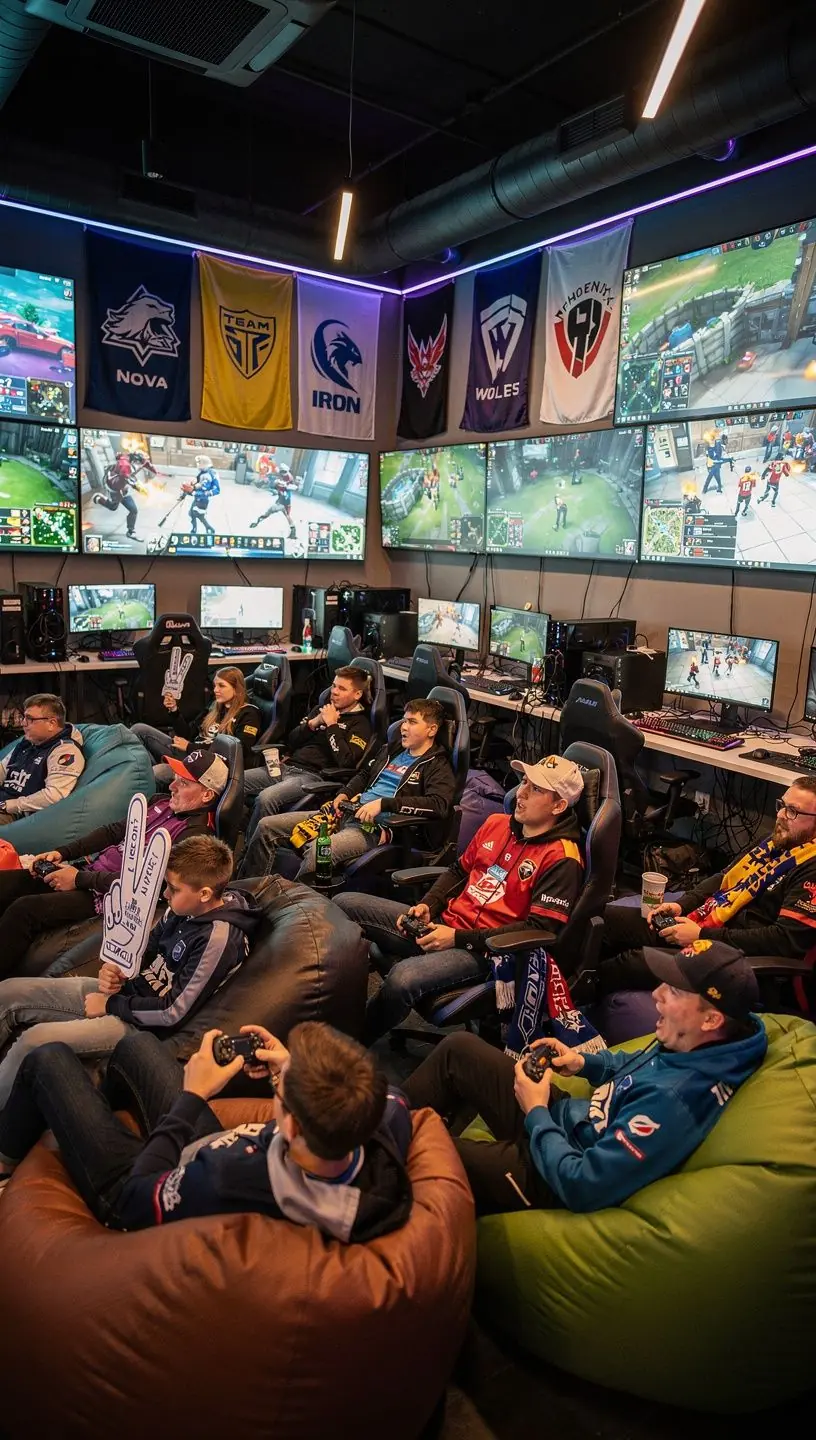
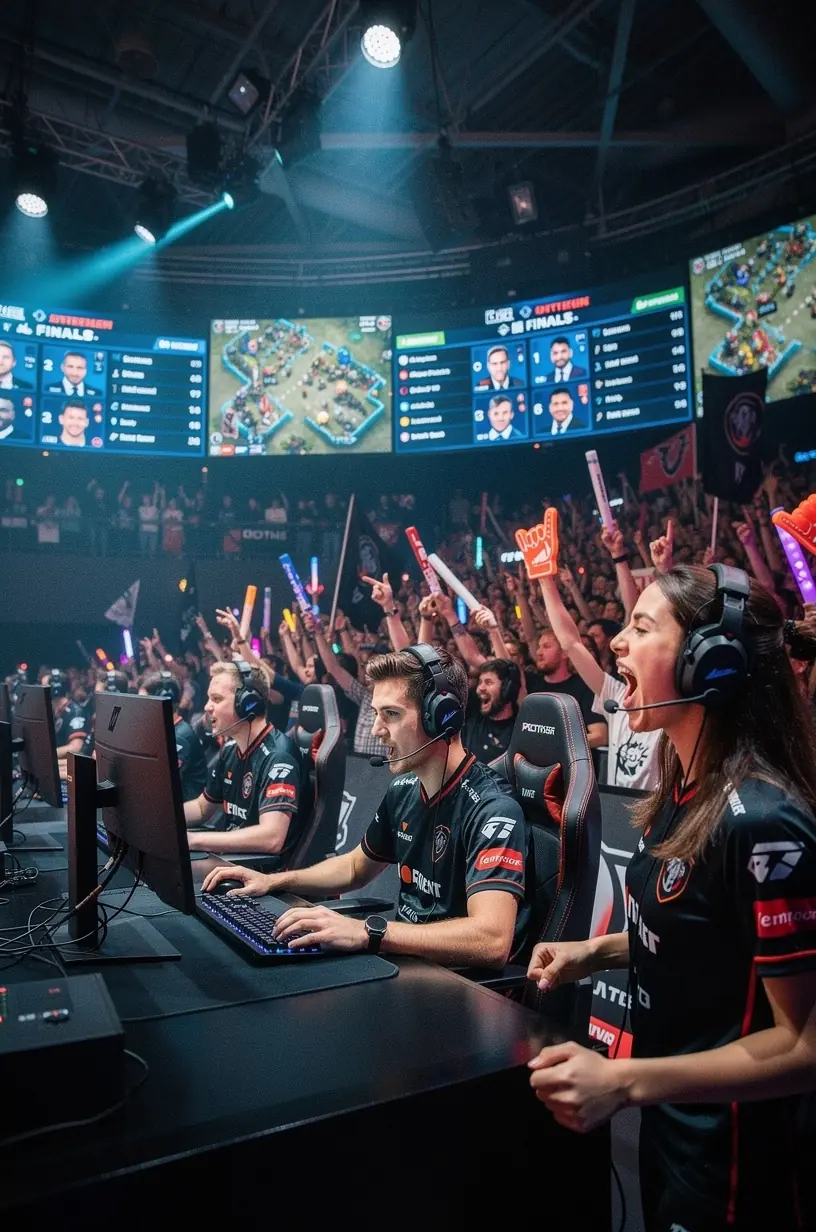
In the competitive world of strategy gaming, rankings play a crucial role in shaping player engagement and motivation. This article examines how rankings influence player behavior and what gaming centers in the Czech Republic can do to enhance this experience.
Understanding the Role of Rankings
Rankings in gaming environments serve as a visual representation of a player’s skill and achievements, often leading to increased engagement. According to research by the American Psychological Association, competitive rankings can significantly enhance player motivation, making them more likely to participate actively in leagues and competitions.
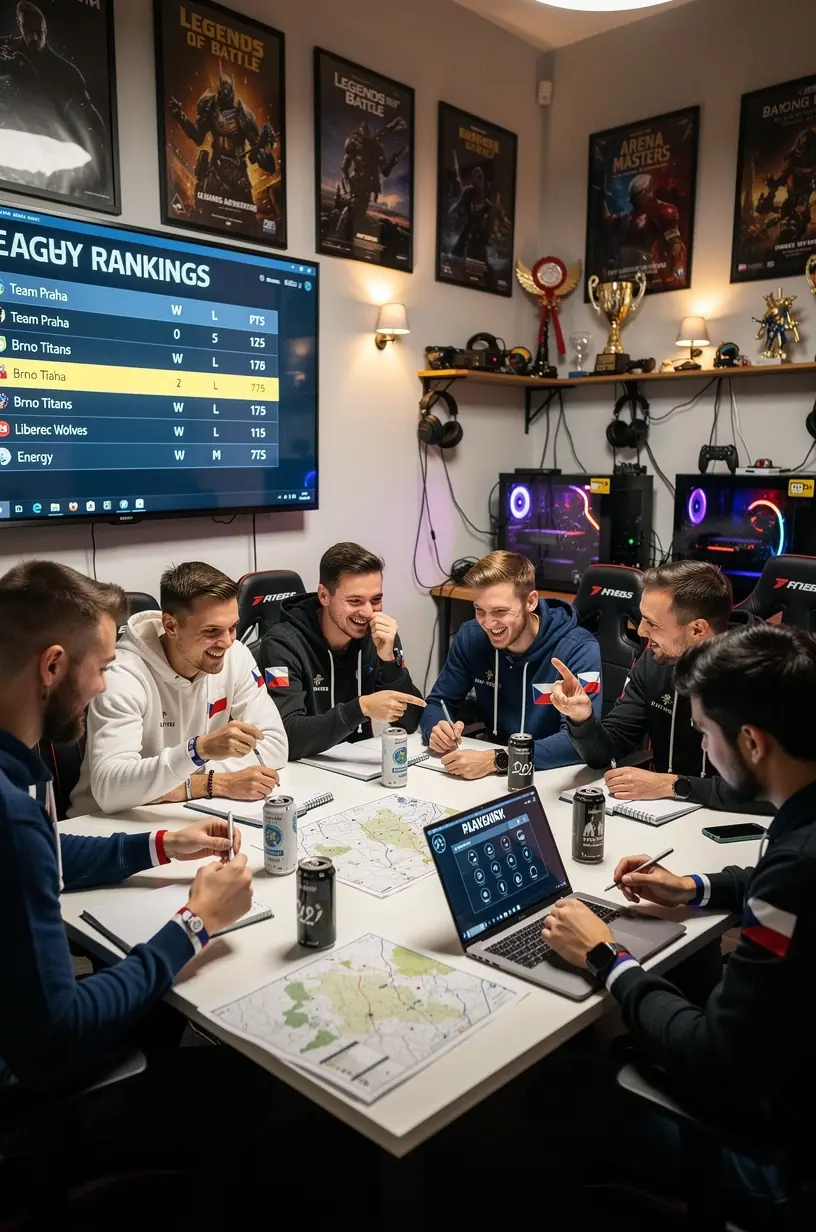
"Competitive environments foster a sense of accomplishment among players, which can lead to increased retention and engagement." - Industry Expert
The Psychology Behind Player Engagement
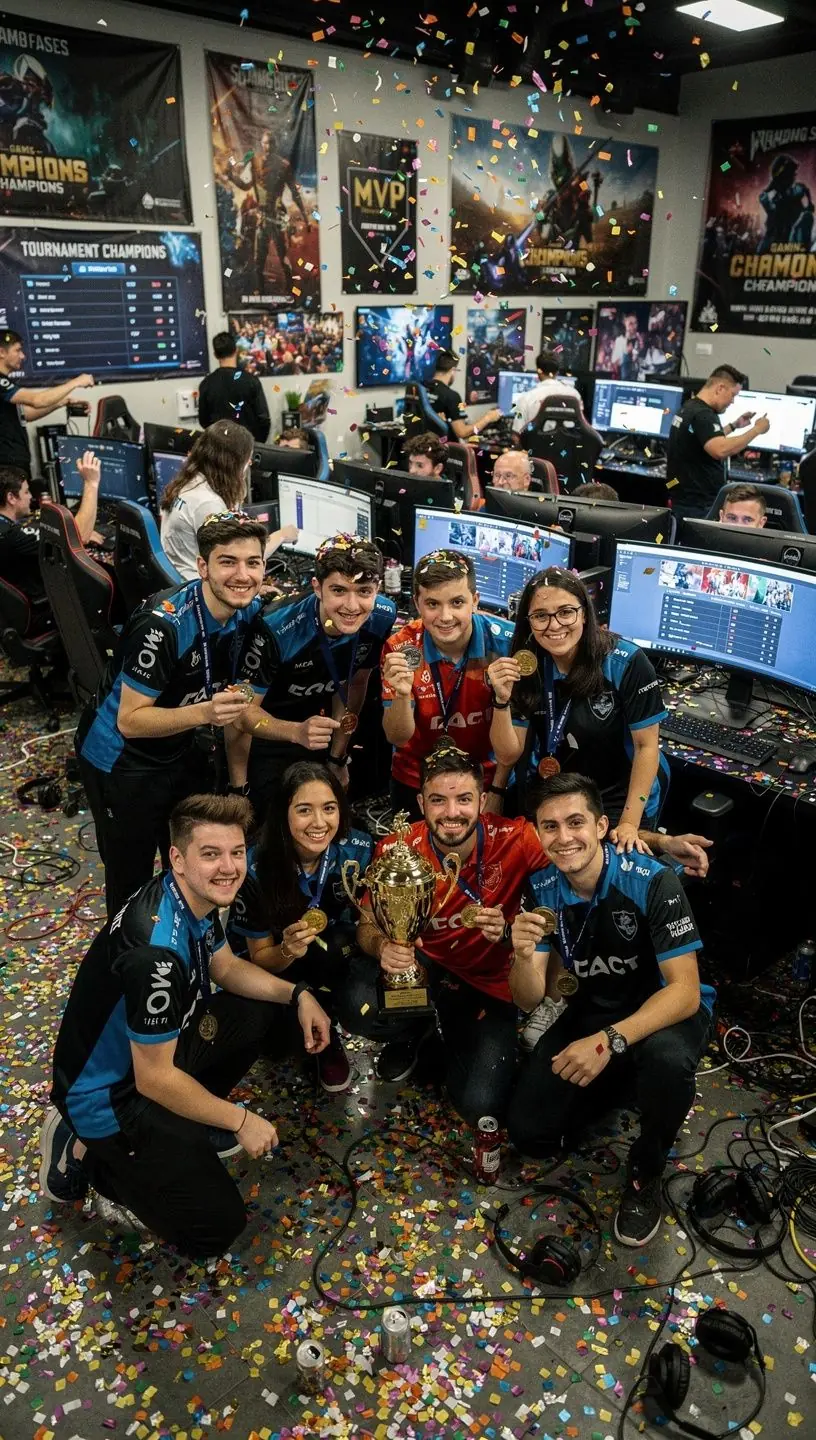
Players are typically driven by a variety of psychological factors, including the desire for recognition and the thrill of competition. Studies show that when players see their rankings improve, it can lead to a boost in self-esteem and motivation. This is particularly true in strategy games, where players often invest considerable time and effort in sharpening their skills.
Key Factors Influencing Engagement
- Recognition: Players want their efforts to be acknowledged. High rankings provide visible proof of their skill level.
- Competition: Many players thrive in competitive settings. Rankings can encourage healthy competition, motivating players to improve continuously.
- Community: Rankings can foster a sense of belonging within gaming communities, leading to increased social interaction.
Best Practices for Gaming Centers
For gaming centers in the Czech Republic, implementing effective ranking systems can significantly enhance player engagement. Here are some strategies:
- Regular Updates: Ensure that rankings are updated frequently to keep players engaged. Regular updates can create a sense of urgency and encourage ongoing participation.
- Transparent Criteria: Define clear criteria for ranking players. This helps players understand what they need to do to improve their standings, creating a more structured environment.
- Incorporate Feedback: Actively seek feedback from players about the ranking system. This can help identify areas for improvement and ensure the system remains relevant.
Acknowledging Limitations
While rankings can enhance engagement, they are not a one-size-fits-all solution. It is essential to recognize that:
- Rankings typically require regular participation, which may not be feasible for all players.
- Some players may feel discouraged if they consistently rank low, which could lead to disengagement.
- It may take time for new players to acclimate to competitive environments, often requiring a learning curve.
Conclusion
In conclusion, rankings can play a significant role in enhancing player engagement in strategy gaming centers. By understanding the psychological factors at play and implementing best practices for ranking systems, gaming centers can create a more engaging environment for players. It’s important to approach this topic with realistic expectations and recognize the challenges that may arise. With thoughtful implementation, rankings can become a powerful tool for fostering a vibrant gaming community.
Learn More